Build a wider plate
Try to make vegetables, fruit, pulses, whole grains and unsalted nuts familiar parts of the week. Variety matters because foods bring different nutrients and because a flexible pattern is easier to maintain.
Health desk · 2026
Food is one part of a much wider picture. This guide explains common nutrition themes without turning them into promises.
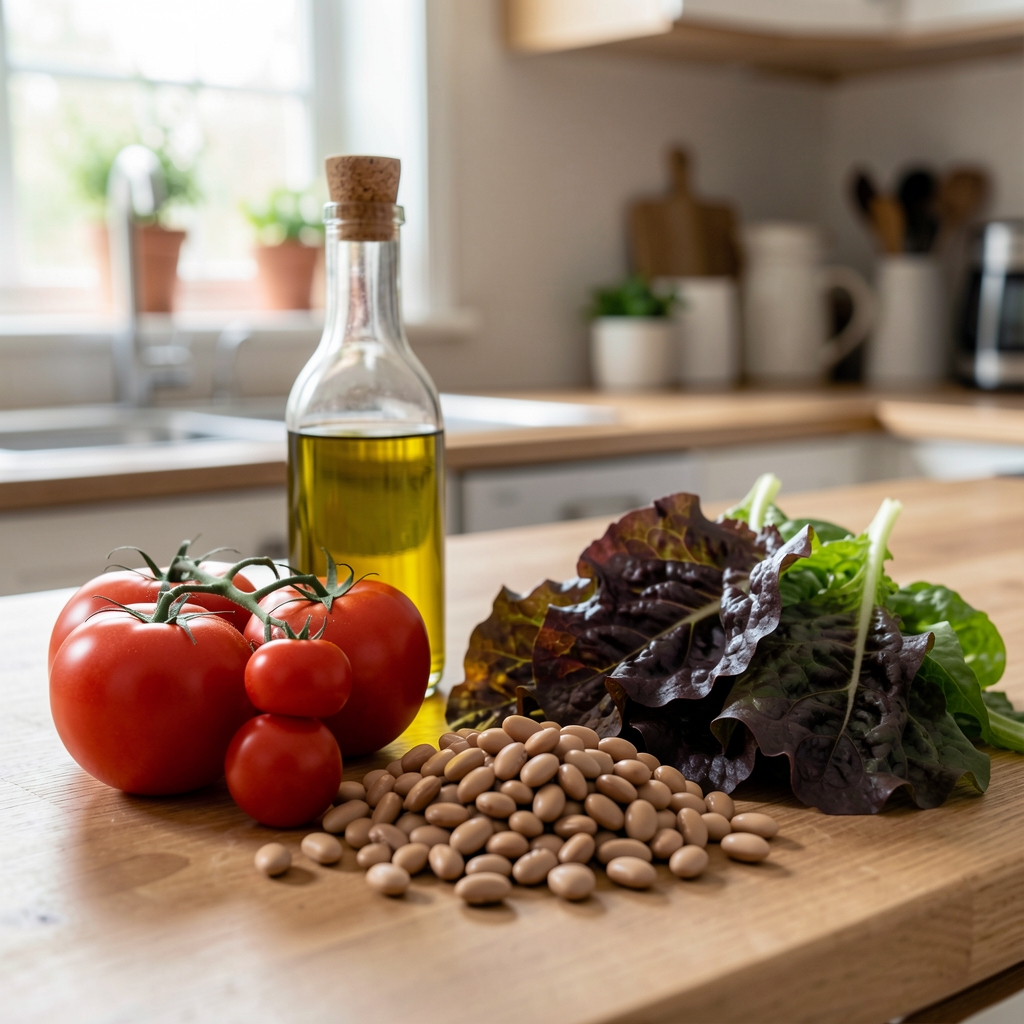
Research often examines dietary patterns rather than a single ingredient. A pattern rich in plants, fibre and varied sources of protein may sit comfortably within general healthy eating guidance, but it does not diagnose or treat prostate conditions. Age, family history, symptoms, medicines and screening conversations remain important.
Try to make vegetables, fruit, pulses, whole grains and unsalted nuts familiar parts of the week. Variety matters because foods bring different nutrients and because a flexible pattern is easier to maintain.
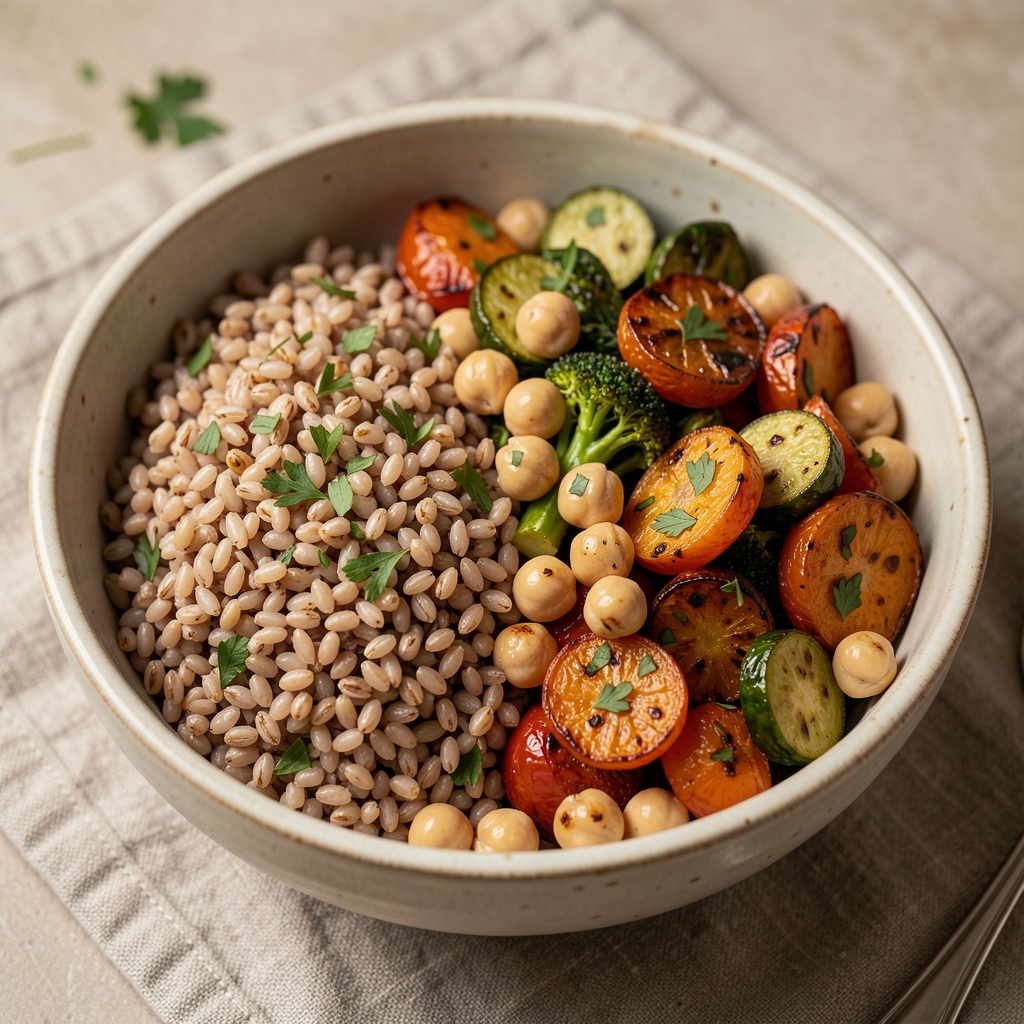
A single food rarely carries the meaning assigned to it online. Look for the overall pattern, portion, frequency and the quality of the research behind a claim.
| Question | Why it may help |
|---|---|
| Which symptoms need prompt attention? | It separates general education from an individual assessment. |
| Do my medicines affect food or supplements? | Some products can interact with prescribed treatment. |
| What eating pattern fits my wider health? | Blood pressure, bowel health and weight may shape advice. |
“A useful nutrition article should leave the reader better prepared for a conversation, not falsely certain about an outcome.”
“Patterns are usually more meaningful than isolated ingredients.”
“Symptoms deserve clinical attention rather than a search for a food shortcut.”
Weight management is shaped by food, movement, sleep, stress, health conditions, medicines, environment and social circumstances. A sustainable routine is not a short challenge or a promise of a particular number. It is a pattern that can be understood, adapted and discussed with a qualified professional when personal health questions arise.
Useful planning often starts with the environment around meals. Shopping lists, visible fruit, batch cooking, regular meal opportunities and satisfying flavours can reduce decisions during a busy week. These are practical observations rather than rules, and different households will need different combinations.
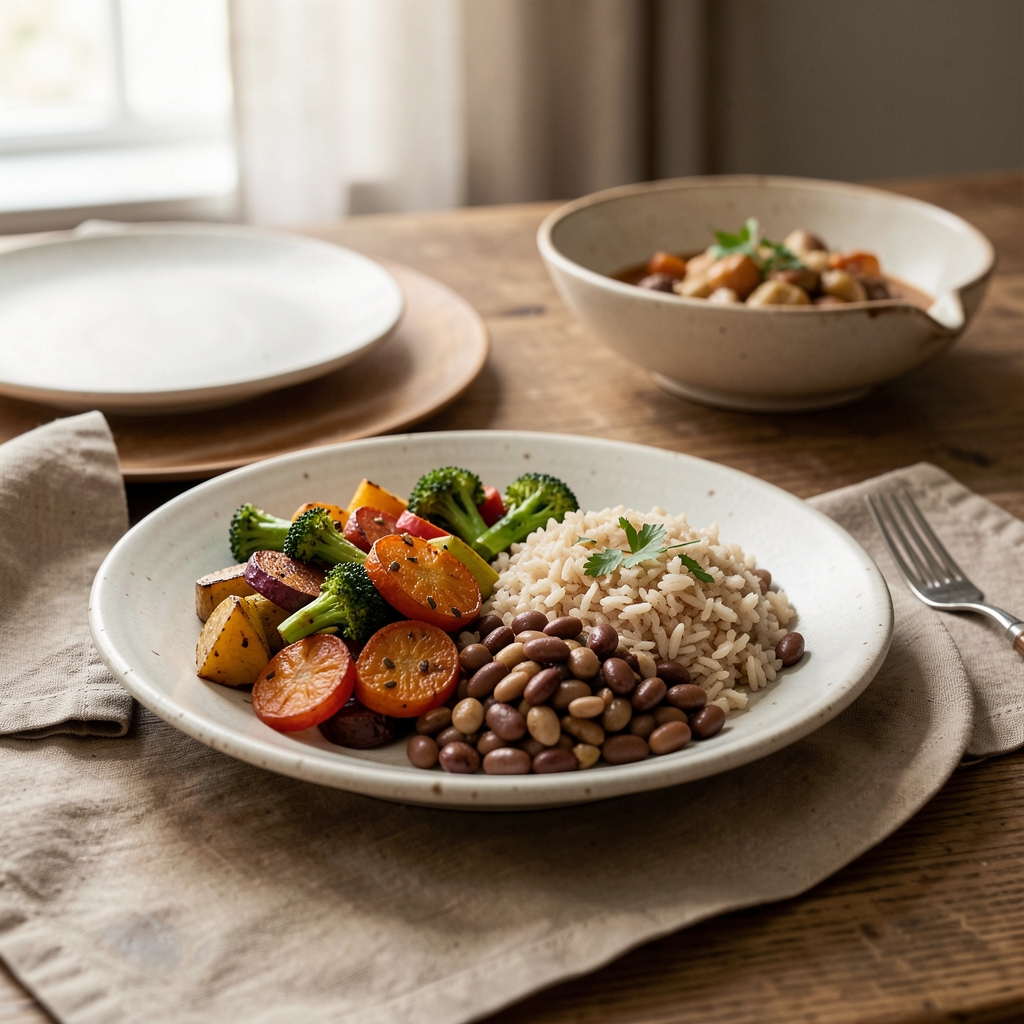
A routine should account for work hours, family meals, shopping access, cultural preferences and the amount of preparation a person can reasonably manage. A packed lunch may look different from a weekend meal, and both can fit a broader pattern. When a plan repeatedly fails because it requires unusual ingredients or long preparation, the practical design may need changing rather than the person being blamed.
Use neutral observations: how often meals are prepared at home, which foods keep someone satisfied, when convenience choices appear and what support is available. Avoid moral language about food. If eating feels distressing or complicated, seek appropriate professional support.
| Situation | Helpful question | Possible planning response |
|---|---|---|
| Busy weekday | What can be prepared in advance? | Keep two flexible meal components ready |
| Low appetite | What makes a small meal acceptable? | Discuss persistent change with a professional |
| Social meal | How can enjoyment and routine coexist? | Plan the occasion without compensation rules |
| Limited budget | Which staples are versatile? | Use pulses, grains and seasonal produce |
Does sustainable mean identical every day? No. It means a routine can flex around ordinary changes.
Should progress be judged only by weight? No. Energy, enjoyment, routine and professional goals may also matter.
What if the subject feels emotionally difficult? A qualified professional can offer appropriate support.
“A workable routine is designed around a life, not around an imaginary perfect week.”